

My Learning Path

Personalised home-learning guidance for families seeking a flexible, child-interest led education

Home Learning

So, What is Home Learning? Simply put, it is the decision to take your child’s learning into your own hands and have agency over their journey of discovering the world and becoming successful adults, however that may be. This looks different for every family, and that is the point! When you decide to walk the path of home learning, you allow the learning to be tailored to your child’s strengths and interests and let it be in sync with your family values, routines, and needs.

You can focus on life skills and skill-based learning according to your child’s interests and natural inclinations. Real-life learning experiences such as cooking, gardening, and daily household activities can become part of the learning process. Children often spend more time learning something they enjoy, which helps them stay focused and motivated.

Home learning also gives families a great deal of flexibility. Since your child is not attending school, you can decide when to start the day, what activities to include, and how to plan the routine. If you work remotely or travel often, this can be an ideal way to continue learning wherever your family goes

It also gives you more time with your child and helps you build a stronger relationship along the way. You are not only a parent — you also become a teacher, mentor, friend, and learner. In the process, you build a lifelong bond and witness your child’s growth closely.

There is less unnecessary pressure on the child. You are not bound by fixed timelines, so you can move faster when the child is ready and slow down when needed. This helps learning remain natural and balanced.

Home learning often helps children develop self-discipline, time management, and confidence — important life skills for every individual.

In India, families also have the option of enrolling their child in NIOS or another open school system later if they need a 10th or 12th certificate. These boards are designed for children who do not attend traditional school.

img 2287
img 1755

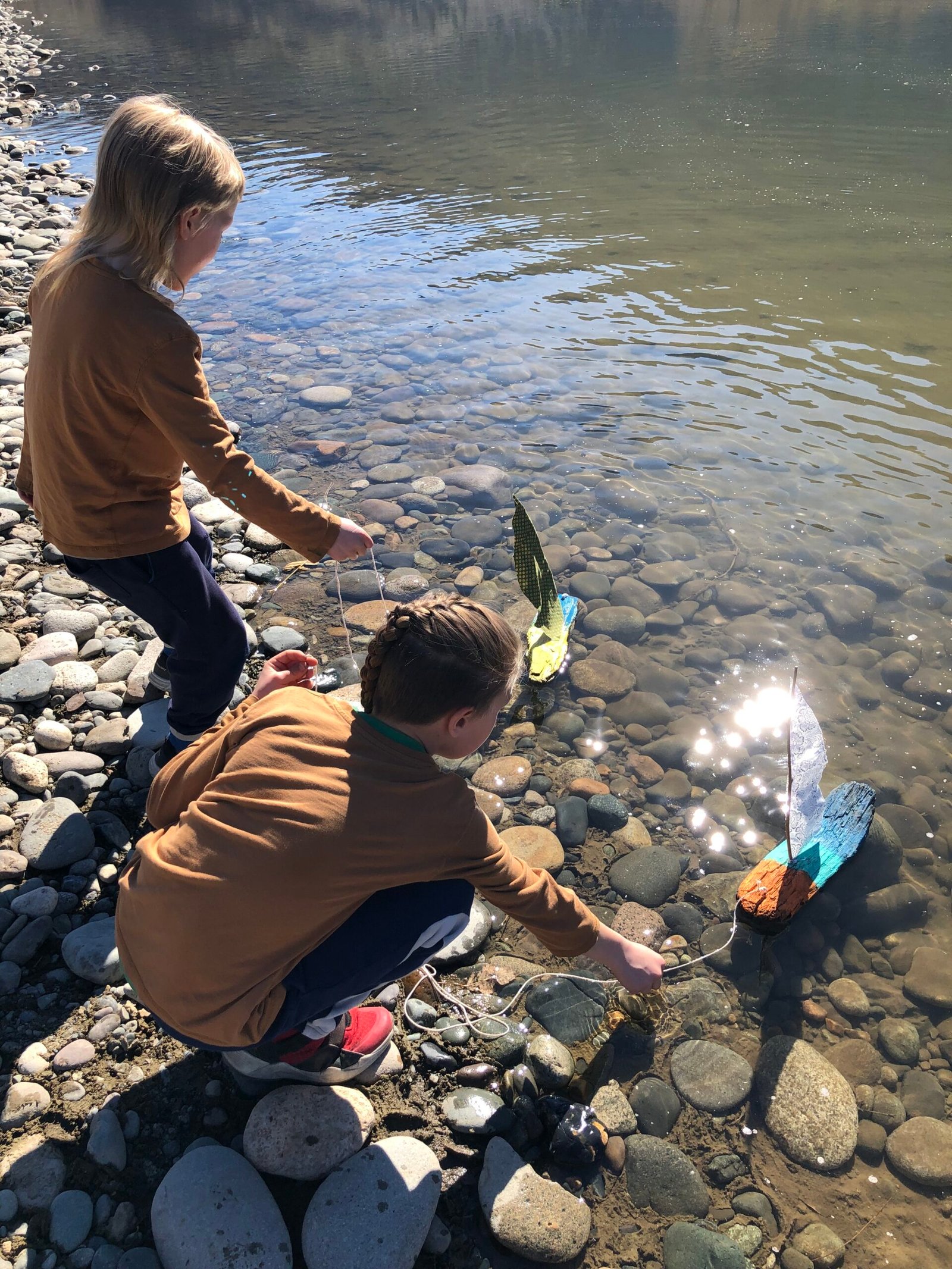
Will it sink or float?

img 4465

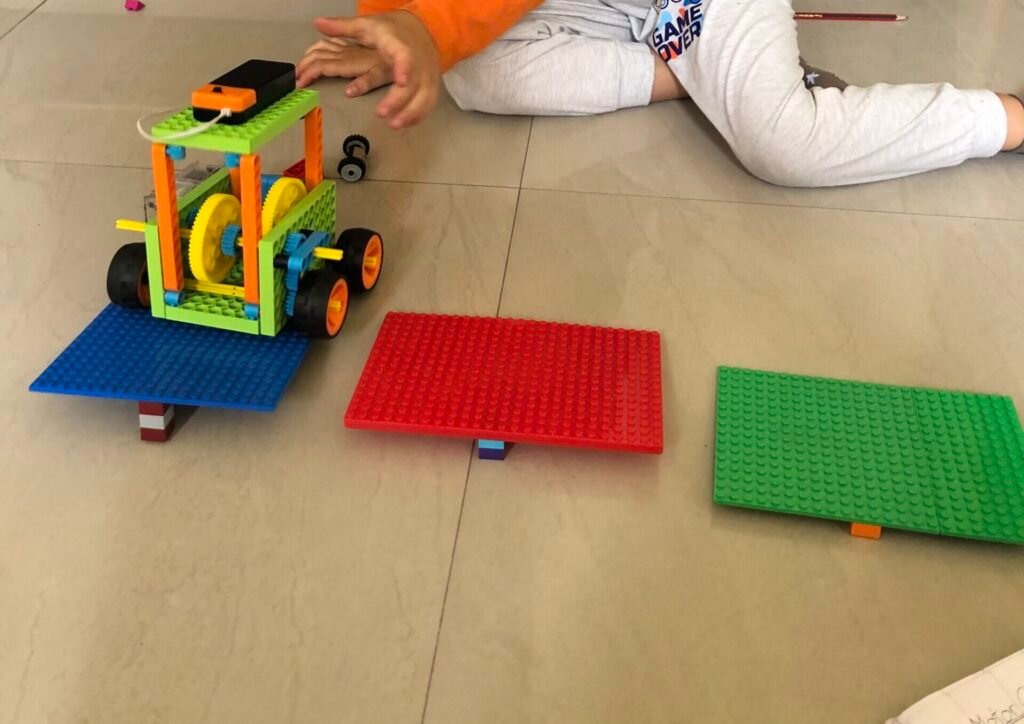
Testing force and gears of a car.

img 2346

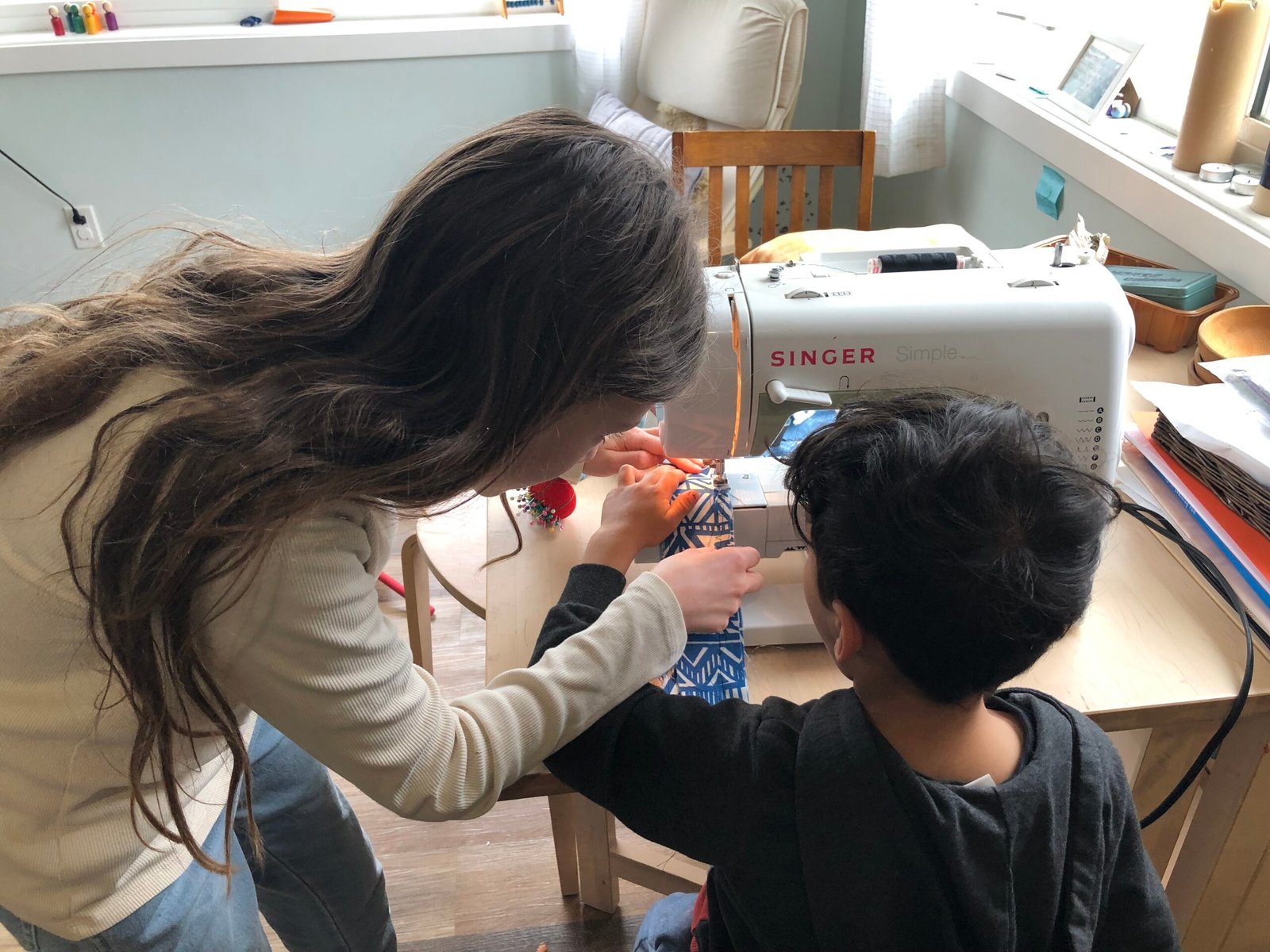
Learning from each other.

You think this is for you. Now what?

We guide families along their path of the home learning journey for as long as they need. We use three principles to inform the family’s journey, which we want to share with you here:

Sharing a Family Passion

att.fbpmj3bdysljyptempaaakf0e6qcyk5flbkhqeywbr4

Tovi and Matteo live in a small Canadian town with their parents and two siblings. In their family, three out of four children are homeschooled, and each child follows an individualized learning plan shaped around their needs, interests, and strengths.

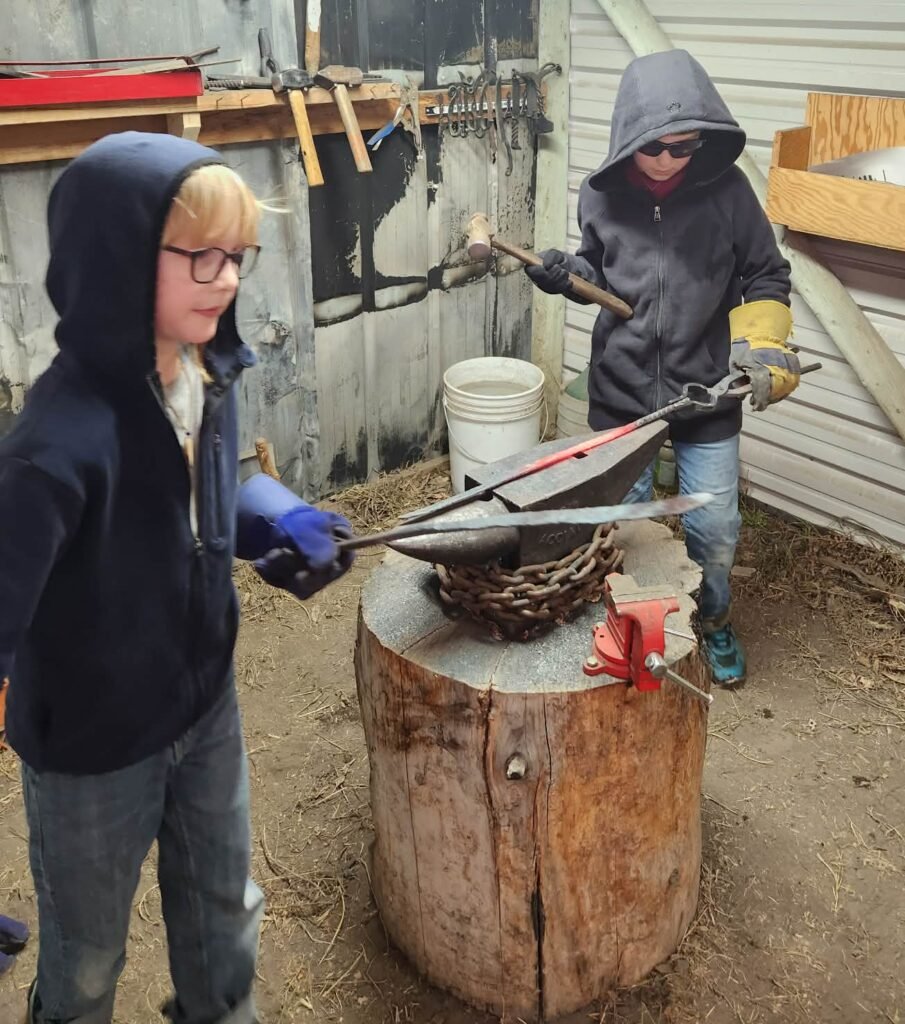
During the winter months, when the days are cold and outdoor play is limited, Tovi and Matteo spend time learning a special family craft from their father, who enjoys iron smithing as a hobby. What began as their father’s winter pastime has become something both boys look forward to with excitement. Their curiosity has grown into real interest, and this hands-on skill has become an important part of their home learning journey.

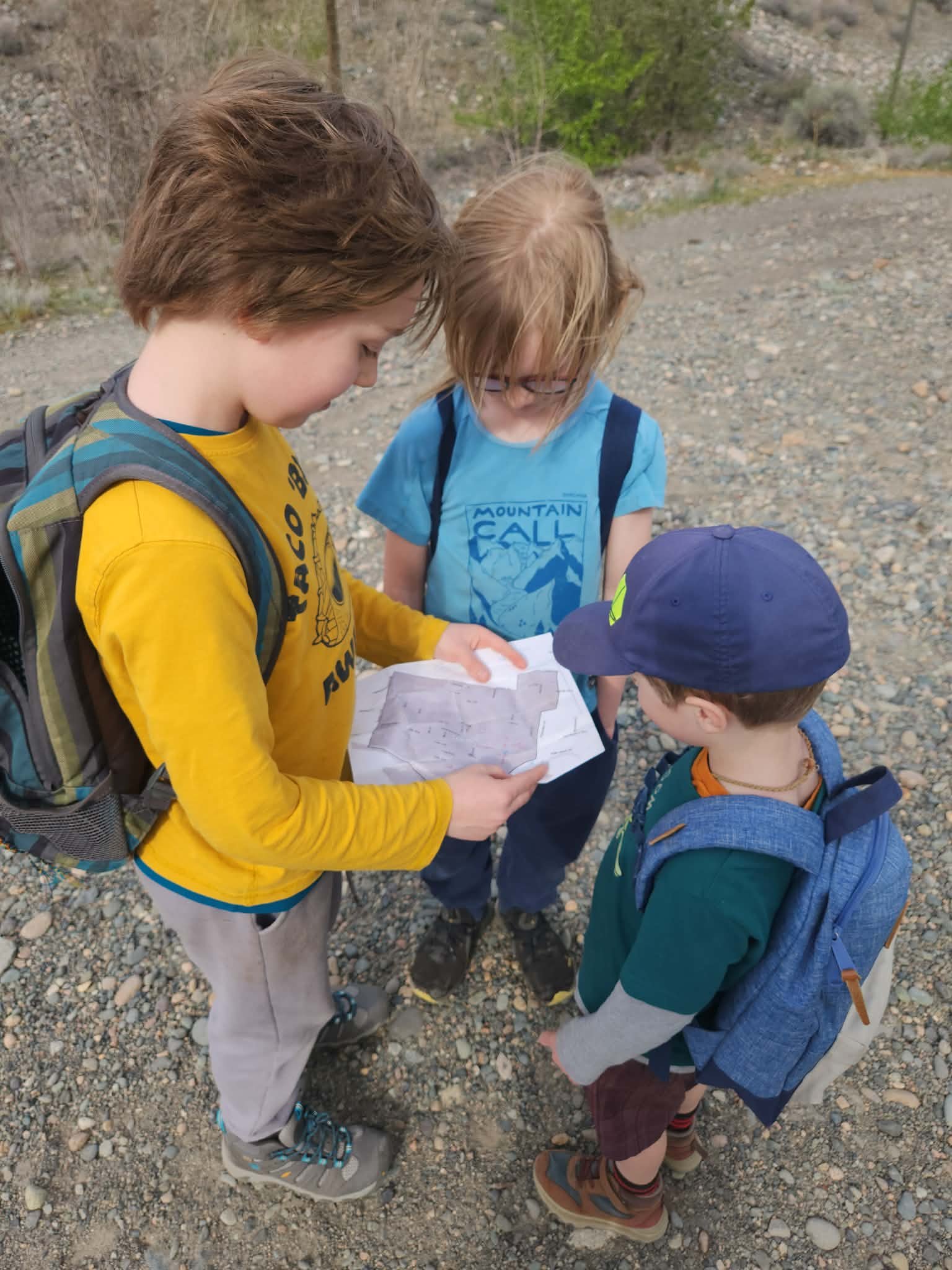
In the first picture, the boys are working with raw iron, carefully forging it into small swords. In the second, they are working together as a team, following a map to navigate through the forest and find a hidden treasure as part of the activity. In the third picture, they are exploring human ear anatomy by coloring the different parts of the ear, while their four-year-old younger brother, Ivan, eagerly follows along and joins in the learning.

It is clear that these two boys are not only learning, but truly thriving. Their days are filled with curiosity, teamwork, creativity, and joy — the kind of learning that grows naturally through real experiences and family connection.

Overcoming Obstacles

att.ausnlitv0nv7320pikhlrhrhqbetwsmfbcmbkz8em9g

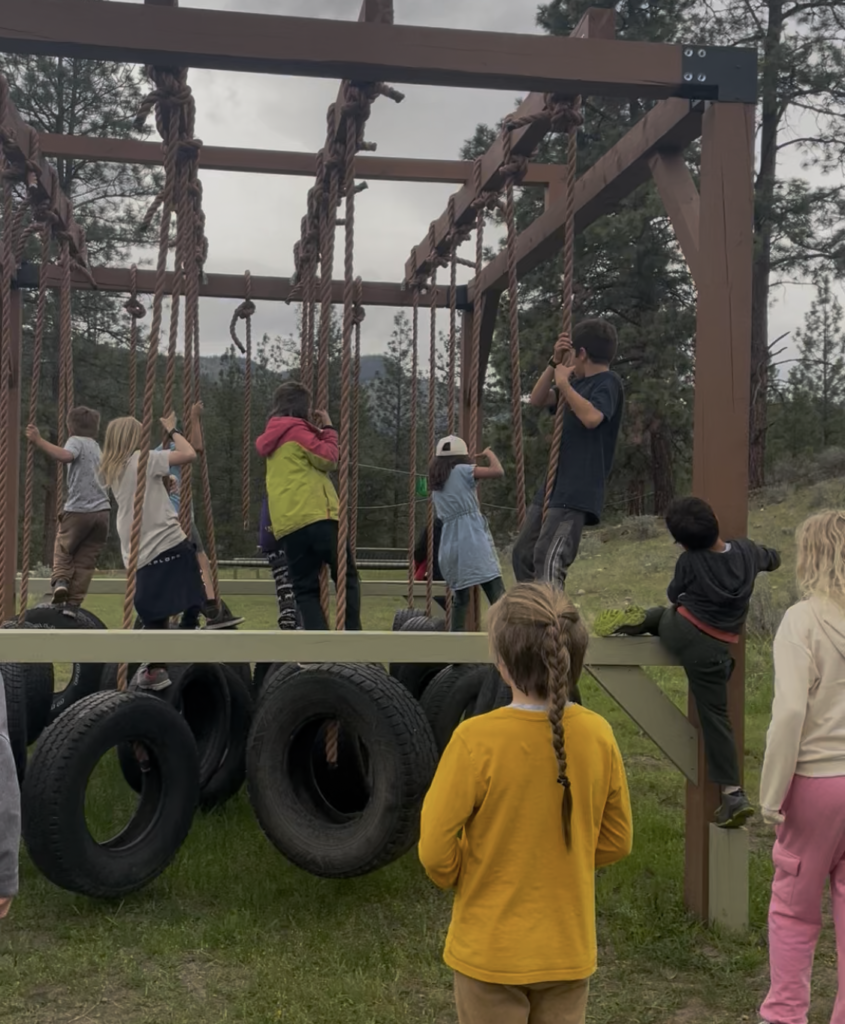
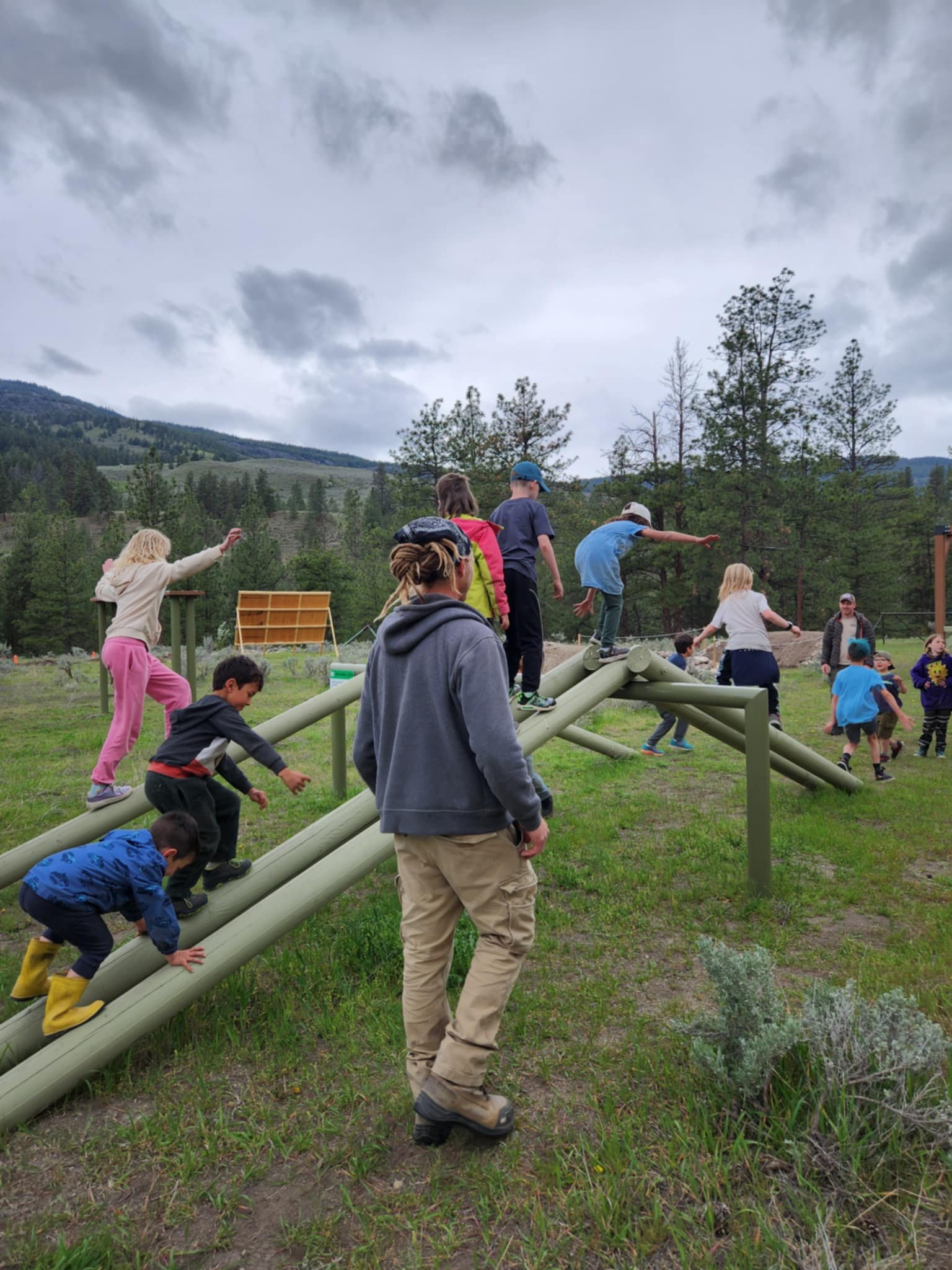
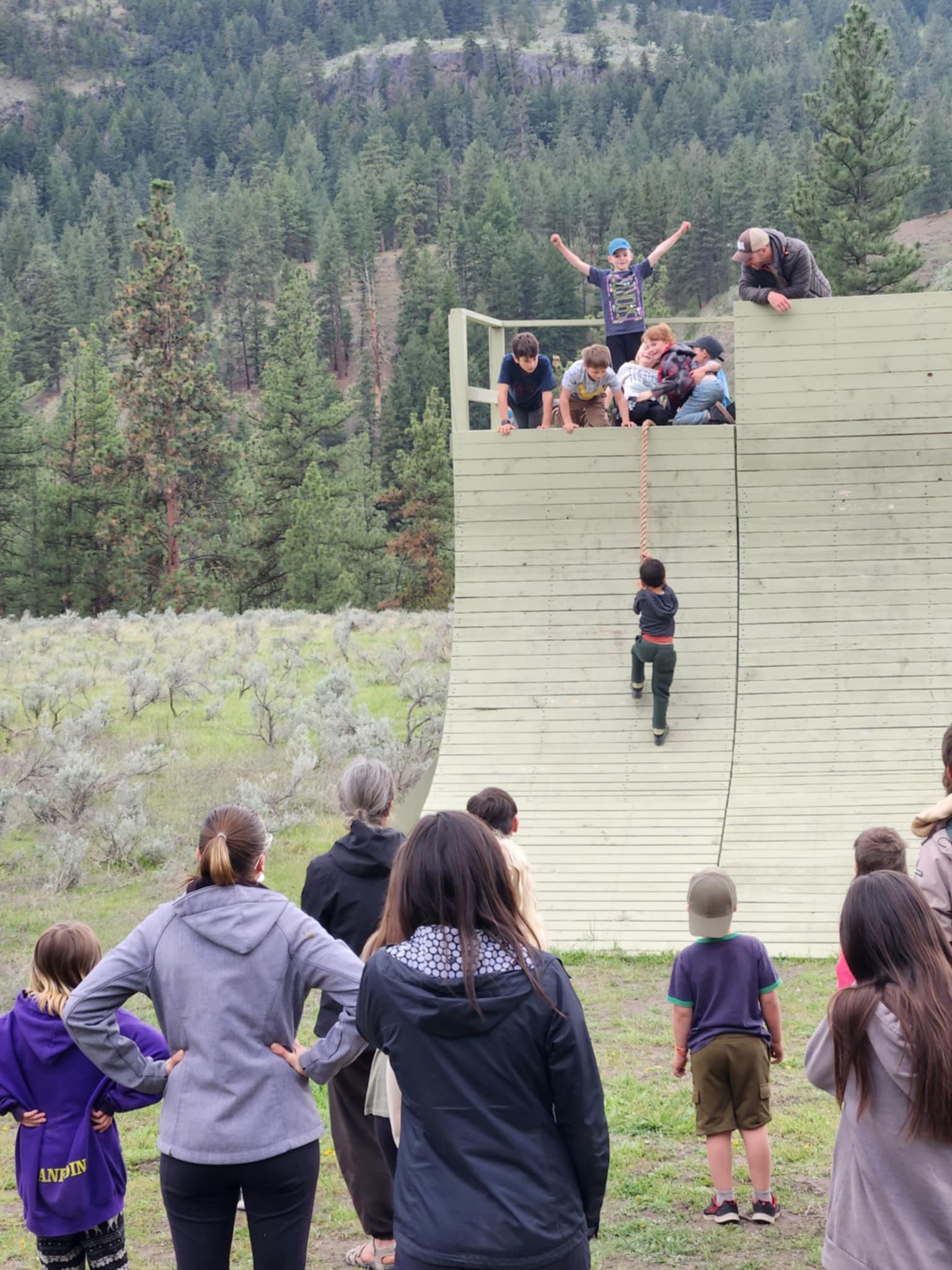
On a spring visit to the local obstacle course arena, the home learning community spent the day learning, encouraging one another, and stepping out of their comfort zones. For many children, the course was not just about getting past the obstacles, but about facing their fears and trying something they might have thought was too difficult at first.

As they moved from one challenge to the next, the children learned that they could do more together than alone. They supported each other, shared ideas, and made use of each person’s strengths to get through the course. Some children led the way, some offered help when needed, and others kept the group moving forward with patience and trust.

By the end of the day, the obstacle course had become much more than a physical activity. It was a chance for the children to build trust, show leadership, work as a team, and keep going even when things felt hard. Most importantly, they learned that fear can be faced, and often overcome, with the support of others.

att.gzwgnqt9a8bltidyhmzccwaxzwnkrglu7n7gsbszabe

Jason's Story

img 3979

A story from Amit’s previous home learning organization: 

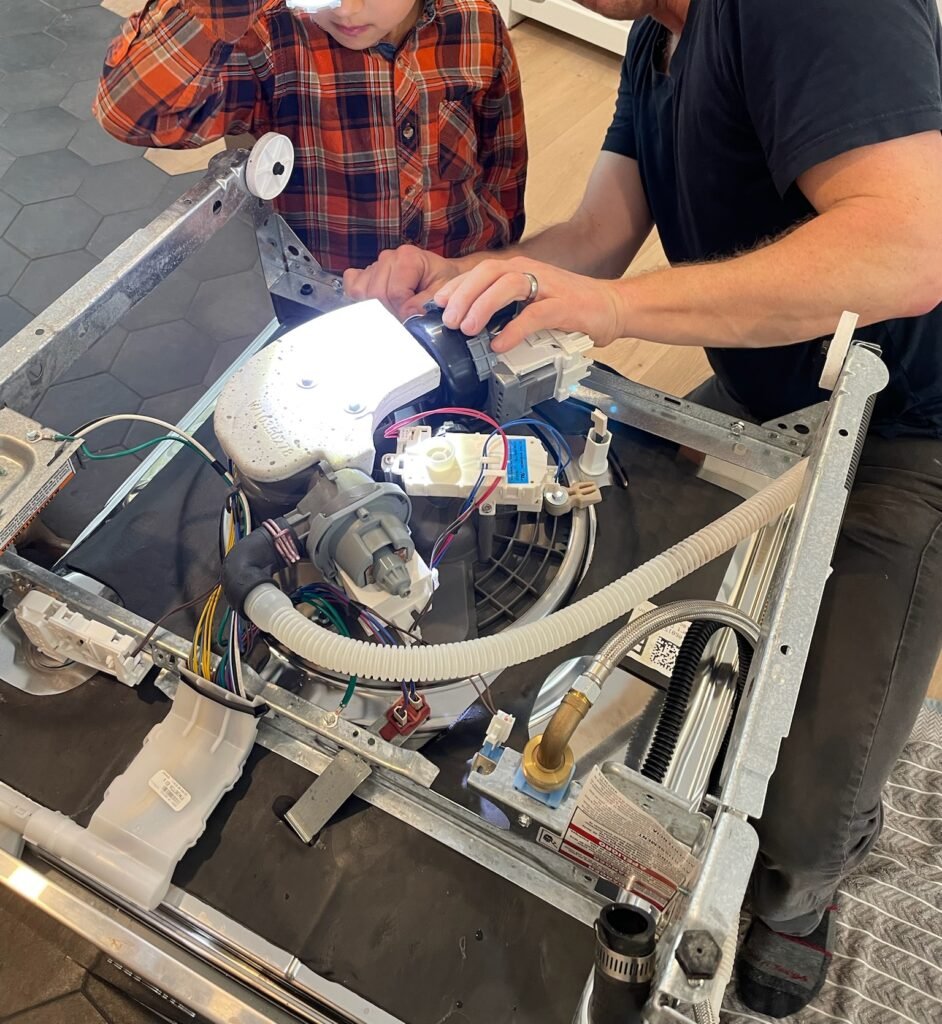
Jason’s love for machines began when he was very young. By the time he was seven, he was already drawn to mechanical toys, carefully watching how they worked and how each part moved. As he grew older, his curiosity only became stronger. By the age of nine, he was opening broken toys and small appliances at home to understand how the different parts fit together and what made them work.

Seeing his deep interest, Jason’s parents chose to move him out of the regular school system and enroll him in a home learning organization in British Columbia, Canada. Together with his mentor, they designed a learning path that was based on life skills and focused on his love for machines. Much of Jason’s learning included hands-on work with bicycles, tools, and machines, which helped him stay excited and make steady progress.

He began by taking apart and putting together his own geared bicycle. Later, he even helped turn his father’s bicycle into an electric bike. To support his learning further, his parents and mentors connected him with local mechanic shops, where he spent time observing how different vehicles and machine parts worked. He learned both the theory and the practical side of mechanics, which gave him a deeper understanding of how machines function.

When Jason was thirteen, he used a broken lawn mower motor and parts from a vehicle junkyard to build a go-kart for himself. By the time he was completing his Dogwood Diploma in British Columbia, he had learned how to disassemble and reassemble a car engine on his own. He also learned to use software that helped him design vehicle modifications and even built a wind tunnel in his garage to test ideas and understand how wind and force affect a model.

Jason’s journey shows what can happen when a child’s interest is taken seriously and supported with the right guidance. His talent and hard work opened new opportunities for him, including scholarship offers and the chance to present his work to a leading vehicle company in North America.

Teamwork

screenshot

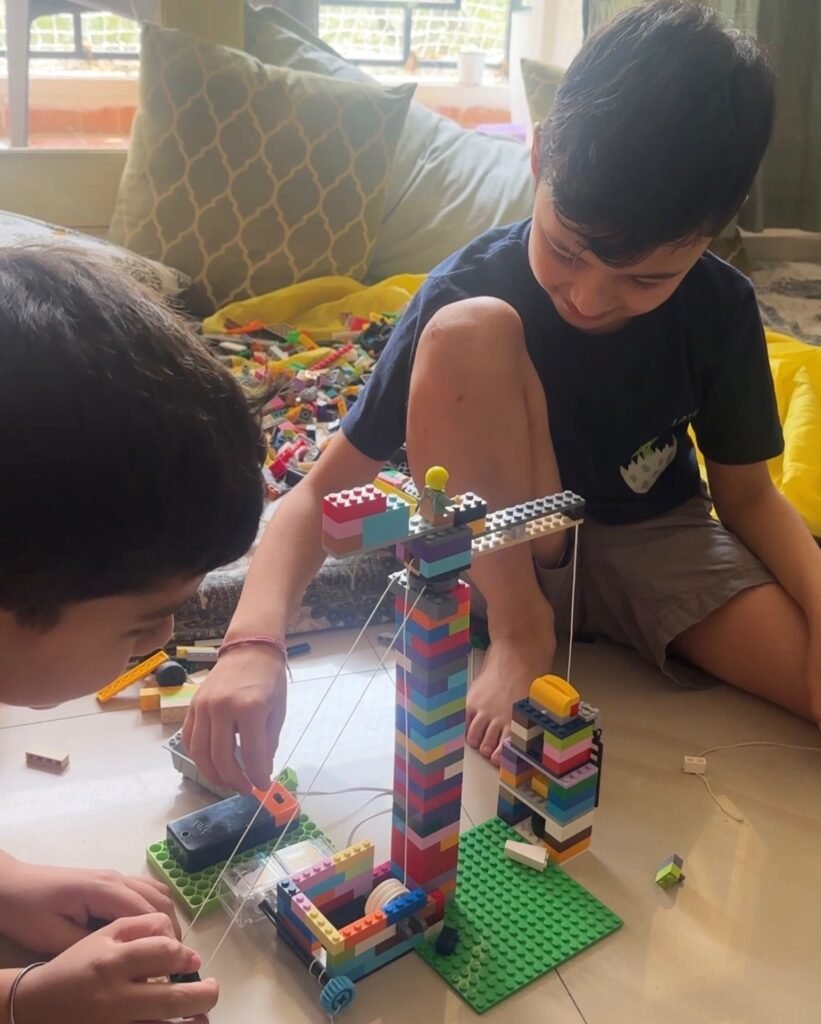
Two creative minds working as a team to make an automated crane using Lego pieces and a motor from a toy car.

After watching a crane at a construction site, Kai came up with the idea to build a working model for himself. His friend Vikram soon joined him on the project. They initially built one using a Lego set, but weren’t fully satisfied with the result. What started as a simple pulley system soon turned into a complex machine that could lift heavy loads and rotate side to side.

But these two thinkers were not done yet—it needed power! So, they took a small motor from another toy set and adapted it to work with their Lego crane.

This project is a perfect example of independent learning paired with thoughtful outside support. There were only a few moments when assistance was needed, and with a bit of adult input, the boys successfully carried out their ideas. Along the way, they learned that receiving feedback is valuable, asking an expert for help can guide a project forward, and an outside perspective can quickly resolve minor team hurdles.

All of these deep lessons grew from the simple act of building a Lego crane…

Read More
Scroll to Top